What is AWS S3 Bucket Leakage? Ways to Exploit, Examples and Impact
Learn how AWS S3 bucket leakage occurs, common exploitation methods, and actionable steps to secure your cloud storage from unauthorized access.
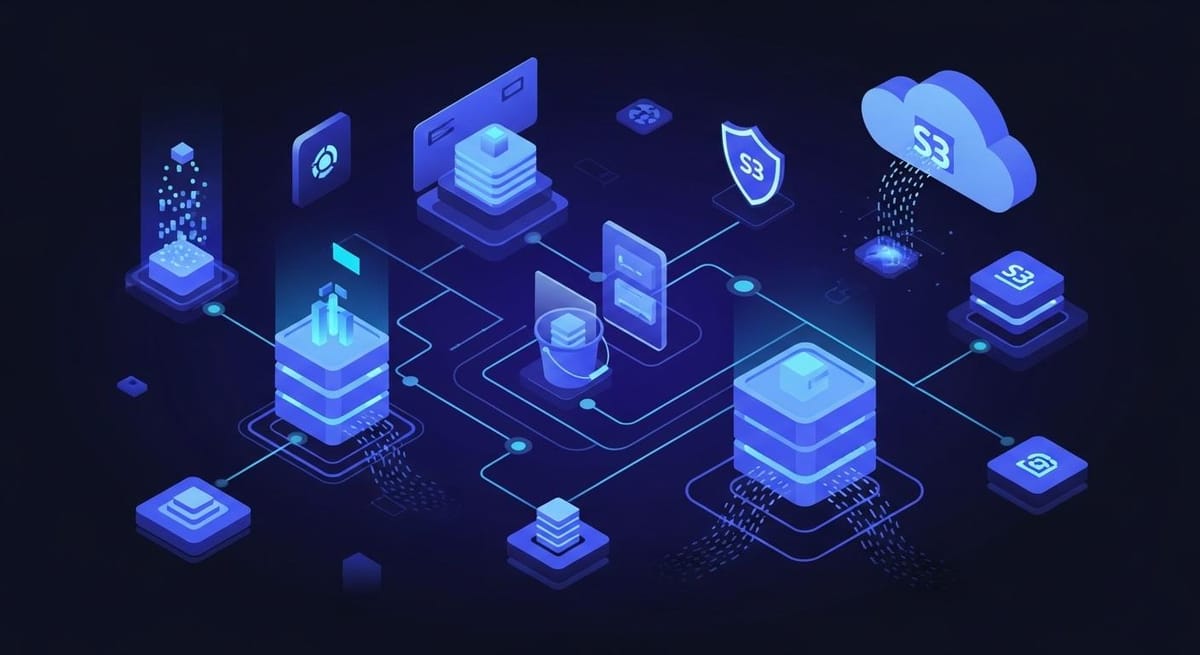
In the modern era of cloud computing, Amazon Simple Storage Service (S3) has become the de facto standard for storing vast amounts of data. From static website assets to sensitive database backups, S3 offers unmatched scalability and reliability. However, this convenience often comes at a steep price: security. AWS S3 bucket leakage is one of the most common and damaging misconfigurations in the cybersecurity landscape today. When a bucket is "leaked," it means its contents are accessible to unauthorized users, often due to poorly defined access controls. This guide will dive deep into the mechanics of S3 leakage, how attackers discover these vulnerabilities, and the steps you can take to secure your infrastructure.
What is AWS S3 Bucket Leakage?
AWS S3 bucket leakage occurs when an Amazon S3 bucket is configured with permissions that allow public or unauthorized users to list, read, or write objects within it. By default, when you create a new S3 bucket in Jsmon-monitored environments or any AWS account, Amazon now enables "Block Public Access" settings. However, legacy buckets, manual overrides, or complex Identity and Access Management (IAM) policies can inadvertently open these buckets to the world.
An S3 bucket is essentially a top-level container for data stored in AWS. Inside these buckets are "objects," which can be anything from text files and images to encrypted disk images. The leakage happens at the metadata or policy level. If the Access Control List (ACL) or the Bucket Policy is set to allow AuthenticatedUsers (which includes anyone with any AWS account) or AllUsers (anyone with an internet connection), the data is effectively public.
Common Causes of S3 Bucket Misconfigurations
Understanding why these leaks happen is the first step toward prevention. Most leaks are not the result of a zero-day exploit in AWS itself but rather human error and a misunderstanding of the AWS Shared Responsibility Model.
1. Misunderstanding "Authenticated Users"
One of the most frequent mistakes beginners make is confusing "Authenticated Users" with users within their own organization. In AWS terminology, the http://acs.amazonaws.com/groups/global/AuthenticatedUsers group refers to any user who has a valid AWS account—anywhere in the world. If you grant read access to this group, you aren't just letting your employees in; you are letting every AWS customer in.
2. Overly Permissive Bucket Policies
Bucket policies are JSON-based access control documents. A common mistake is using a wildcard * in the Principal field combined with an Allow effect on the s3:GetObject action.
{
  "Version": "2012-10-17",
  "Statement": [
    {
      "Sid": "PublicRead",
      "Effect": "Allow",
      "Principal": "*",
      "Action": "s3:GetObject",
      "Resource": "arn:aws:s3:::example-leaky-bucket/*"
    }
  ]
}
The policy above allows anyone on the internet to download any file from the bucket if they know the URL.
3. Legacy Access Control Lists (ACLs)
Before bucket policies became the standard, ACLs were the primary way to manage access. Many older buckets still rely on ACLs where the "Public access" or "Everyone" group is granted "List objects" or "Write objects" permissions. Even if the bucket policy is restrictive, a permissive ACL can still lead to exposure.
How to Find Vulnerable S3 Buckets
Attackers use various techniques to find leaked buckets. Because S3 bucket names must be globally unique and follow a predictable URL format (https://[bucket-name].s3.amazonaws.com), they are prime targets for enumeration.
Using Google Dorks for S3 Reconnaissance
Search engines index public S3 buckets. By using specific queries, researchers can find exposed directories. For example:
site:s3.amazonaws.com "index of /"
site:s3.amazonaws.com intitle:"index of" "backup"
site:amazonaws.com filetype:sql
These dorks look for open directory listings or specific sensitive file types like SQL dumps hosted on Amazon's infrastructure.
Automated Enumeration and Brute Forcing
Tools like s3scanner, lazys3, or bucket_finder take a list of keywords (e.g., "production", "finance", "staging") and append common suffixes to check if a bucket exists and if it is accessible. If a tool finds a bucket named company-backups, it will attempt to list its contents using the AWS CLI.
Ways to Exploit S3 Bucket Leakage
Once a bucket is identified as public, the level of exploitation depends on the specific permissions allowed.
1. Unauthenticated Read Access (Data Exfiltration)
This is the most common scenario. An attacker uses the AWS CLI to list the contents of the bucket without needing to log in.
# Attempting to list files in a public bucket
aws s3 ls s3://victim-data-bucket --no-sign-request
If the command returns a list of files, the attacker can then download everything:
# Syncing the entire bucket to a local machine
aws s3 sync s3://victim-data-bucket ./local_loot --no-sign-request
2. Unauthenticated Write Access (Data Tampering and Malware Distribution)
If a bucket allows public write access, the impact is even more severe. An attacker can upload files, which could lead to:
- Website Defacement: If the bucket hosts a static website, the attacker can replace
index.html. - Malware Distribution: Replacing legitimate software binaries or JavaScript libraries with malicious versions.
- Ransomware: Deleting the original files and leaving a ransom note (if the attacker also has delete permissions).
# Uploading a malicious file to a vulnerable bucket
aws s3 cp malicious.js s3://victim-scripts-bucket/library.js --no-sign-request
3. Permission Modification (Full Takeover)
In rare but catastrophic cases, the s3:PutBucketPolicy or s3:PutBucketAcl permissions are granted to the public. This allows an attacker to rewrite the security policy entirely, locking out the original owners and taking full control of the data.
Real-World Examples and Impact
The history of cloud security is littered with high-profile S3 leaks. In 2017, a major defense contractor leaked sensitive data including credentials for internal systems because a bucket was set to public. Similarly, a major social media platform once exposed over 500 million records due to a misconfigured S3 instance managed by a third party.
The impact of these leaks includes:
- Regulatory Fines: Under GDPR, CCPA, or HIPAA, leaking PII (Personally Identifiable Information) can result in millions of dollars in fines.
- Reputational Damage: Loss of customer trust is often harder to recover from than financial loss.
- Intellectual Property Theft: Competitors or state actors can gain access to proprietary code, blueprints, or business strategies.
- Secondary Attacks: Leaked API keys or environment variables (like
.envfiles) found in buckets often provide the keys to the rest of the kingdom, allowing attackers to pivot deeper into the AWS environment.
How to Prevent AWS S3 Bucket Leakage
Securing S3 requires a multi-layered approach. You cannot rely on a single setting; you must audit your environment continuously.
1. Enable "Block Public Access" at the Account Level
AWS provides a "Block Public Access" (BPA) feature that acts as a master fail-safe. Even if a bucket policy says "Public," the BPA setting will override it and block the access. You should enable this at the AWS account level to ensure no new buckets can be made public accidentally.
2. Use IAM Roles and the Principle of Least Privilege
Instead of making a bucket public so an application can access it, use IAM roles. Assign a role to your EC2 instance or Lambda function that has the minimum necessary permissions (e.g., s3:GetObject only for specific files) and no public access.
3. Implement Bucket Policies with Condition Keys
Use conditions in your bucket policies to restrict access to specific IP addresses or VPCs. This ensures that even if credentials are leaked, the data can only be accessed from authorized network locations.
{
  "Version": "2012-10-17",
  "Statement": [
    {
      "Effect": "Deny",
      "Principal": "*",
      "Action": "s3:*",
      "Resource": "arn:aws:s3:::my-secure-bucket/*",
      "Condition": {
        "NotIpAddress": {
          "aws:SourceIp": "203.0.113.0/24"
        }
      }
    }
  ]
}
4. Regular Auditing with AWS Config and CloudTrail
Enable AWS CloudTrail to log every API call made to your S3 buckets. Use AWS Config rules to automatically detect and remediate buckets that have been changed to public status. Automated monitoring is essential because manual audits cannot keep up with the speed of DevOps changes.
Conclusion
AWS S3 bucket leakage remains a low-hanging fruit for attackers because it is often the result of simple oversights. As organizations scale their cloud presence, the complexity of managing thousands of buckets increases the risk of a single misconfiguration leading to a massive data breach. By understanding the mechanisms of S3 access control—moving away from ACLs toward restrictive Bucket Policies and enforcing account-wide Block Public Access—you can significantly harden your cloud posture.
To proactively monitor your organization's external attack surface and catch exposures like misconfigured S3 buckets before attackers do, try Jsmon.