
cybersecurity
What is Clickjacking (UI Redressing)? Ways to Exploit, Examples and Impact
Learn how Clickjacking works, explore technical exploit examples, and discover how to prevent UI redressing using CSP and X-Frame-Options headers.
cybersecurity
Learn how Clickjacking works, explore technical exploit examples, and discover how to prevent UI redressing using CSP and X-Frame-Options headers.

ethical hacking
Discover how tabnabbing exploits window.opener to hijack browser tabs. Learn to prevent reverse tabnabbing with rel="noopener" in this technical guide.

reverse tabnabbing
Learn how reverse tabnabbing exploits window.opener to hijack browser tabs. Discover technical examples and prevention tips to secure your web applications.

cybersecurity
Learn how to identify and prevent CSP bypasses. We cover JSONP, script gadgets, and how to use nonces to secure your attack surface.
A comprehensive guide on how to find, exploit, and prevent race condition or concurrency attacks in modern web applications.

If you're a bug bounty hunter or pentester, you probably spend most of your day in Burp Suite. It's where the magic happens, intercepting requests, tweaking parameters, watching how apps respond to your prodding. But here's the thing: there's always been this
WordPress powers a huge portion of the internet, and that popularity comes with a predictable reality: it gets attacked constantly. What makes WordPress especially interesting from an offensive security perspective is its modular design. The core CMS might be reasonably hardened, but themes, plugins, misconfigurations, and leftover files often expand
GraphQL has changed how modern applications ship APIs. Instead of calling multiple endpoints like you would in REST, a client can ask for exactly the data it wants in one request. That is great for performance and developer experience, but it also shifts a lot of power to the client.
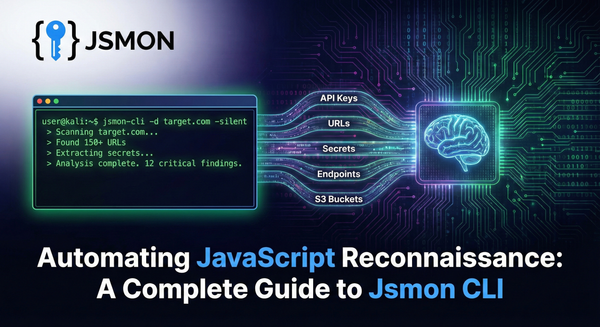
If you've been hunting bugs or conducting security assessments for a while, you've probably experienced the frustration of manually analyzing JavaScript files across dozens, or even hundreds, of subdomains. While browser-based tools and Burp Suite extensions are excellent for deep-dive analysis of individual targets, they simply

We've all been there, copying a third-party script tag, pasting it into our website's header, checking that it works, and calling it a day. Google Analytics? Check. Meta Pixel? Check. These tools are supposed to be the easy part of web development. But as security researcher

If you've ever used a chat application, watched a live sports score update, or traded stocks online, you've likely experienced WebSockets in action without even knowing it. Traditional HTTP connections work like sending letters back and forth, you ask a question, wait for a response, and

OpenClaw is a self-hosted, open-source autonomous AI agent designed to execute actions across local systems and external services on behalf of a user. OpenClaw introduces a high-risk control plane when operated without strict isolation and security controls.